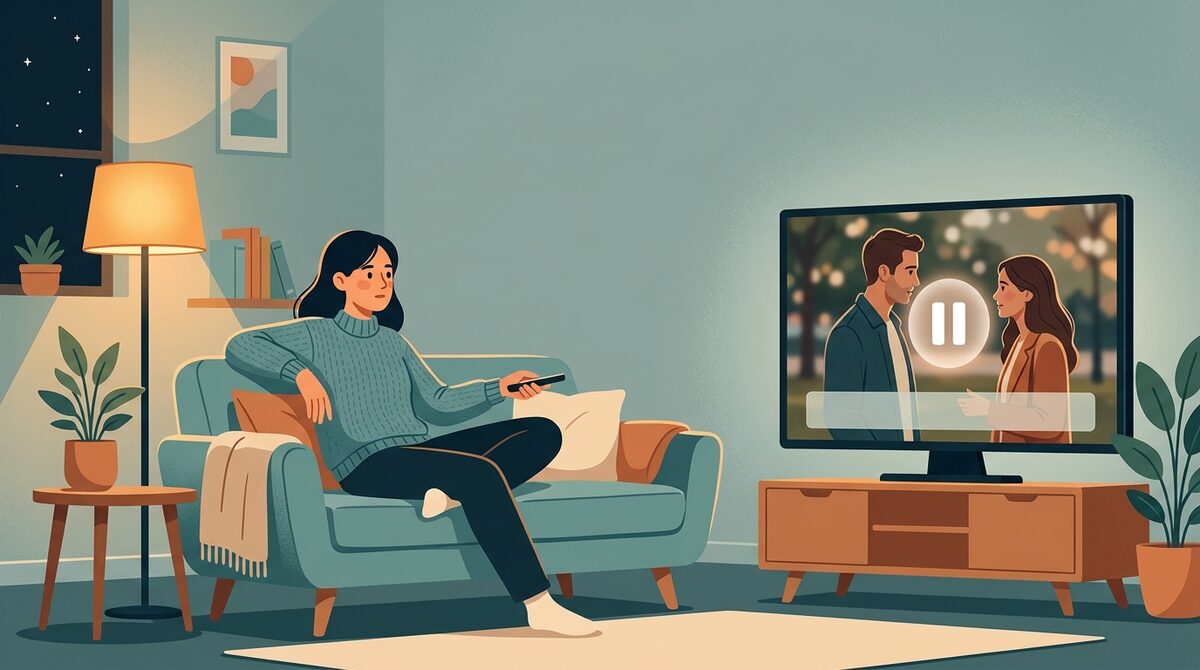
Tired of grammar drills and endless vocabulary lists? You do not always have to be ‘studying’ to be learning. A lot of English can sink in just by being around it. That is passive learning, and it is one of the most underrated tools you have.
Passive vs. Active Learning
Quick line on the terms.
Active learning is what most people picture when they think ‘studying.’ It is focused effort:
- Memorizing vocabulary
- Grammar exercises
- Speaking practice with a tutor
- Taking notes from a textbook
Passive learning is different. You surround yourself with English and let your brain pick things up in the background. Think of it like a sponge soaking up water — you are just sitting in the language.
Why It Works
Your brain is great at spotting patterns. When you hear English again and again, even without trying, your brain starts to notice:
- Rhythm and intonation: how native speakers actually phrase things and carry emotion.
- Common phrases and collocations: words that always go together, which never make sense from a direct translation.
- Vocabulary in context: seeing what a word really means by where it shows up.
- Grammar shapes: without realising it, your brain starts to feel what sounds right and what does not.
That low-effort exposure, over time, becomes your ‘language intuition.’ It is how kids learn their first language. Adults can do it too.
How to Build an English Environment at Home
You do not need to move to an English-speaking country. You can build a rich English environment right where you are.
- Switch your devices to English: phone, computer, social apps. You will pick up everyday tech words fast.
- Put on English music and podcasts: listen for fun, and let it play while you do chores or commute. Do not try to catch every word — just let the sound sit with you.
- Watch shows and movies in English: this is the biggest one. Start with English subtitles, then turn them off as you get more comfortable. Pick something you actually want to watch — that is the whole point.
- Read English sites and forums: whatever your hobby is — gaming, cooking, anything — there is an English-language community for it. You will pick up the right vocabulary by accident.

From Passive to Active
This is where Subturtle fits in. You can be lazily watching a YouTube video or a Netflix episode, and the moment a word grabs you, Subturtle makes it active without breaking your flow.
Instead of pausing, opening a dictionary, and losing the scene, you:
- Hover over any word in the captions.
- Click to get an instant meaning, in context.
- Save it to your vocabulary list for later review.
So you stay in the show. You only step into ‘study mode’ when something actually catches your eye. Your saved words then wait for you on the Subturtle dashboard, ready to review when you are.
Find Your Balance
Passive learning does not replace real study. It sits next to it. Pull English into your normal screen time and you build a stronger feel for the language without forcing it.
So lean back. Let your shows, your music, and your online life do some of the teaching.
Turn passive screen time into real progress. Add Subturtle to Chrome and try it on the next thing you watch.